
Acupuncture
Restore balance, reduce pain, and support your body’s natural healing.
What does acupuncture feel like?
What is Acupuncture?
Acupuncture is a time-tested healing practice that has been used for thousands of years to restore balance and support the body’s natural ability to heal.
In Traditional Chinese Medicine, health is seen as the smooth flow of energy—called qi (pronounced “chee”)—through pathways in the body known as meridians. When stress, injury, or imbalance occurs, this flow can become blocked or disrupted, leading to pain, illness, or other symptoms.
Acupuncture works by gently placing very fine, flexible needles at specific points along these meridians. This stimulates the body’s own healing response, helping to:
Relieve pain and tension
Reduce stress and calm the nervous system
Improve sleep, digestion, and mood
Boost energy and overall wellness
Modern research shows that acupuncture can influence the nervous system, circulation, and immune function—explaining why it helps with such a wide range of conditions. Most patients describe treatments as surprisingly comfortable and deeply relaxing, often leaving them with a sense of calm and renewal.
Whether you’re seeking relief from pain, support for fertility, or simply a way to feel more balanced and energized, acupuncture offers a safe, natural, and effective path to better health.
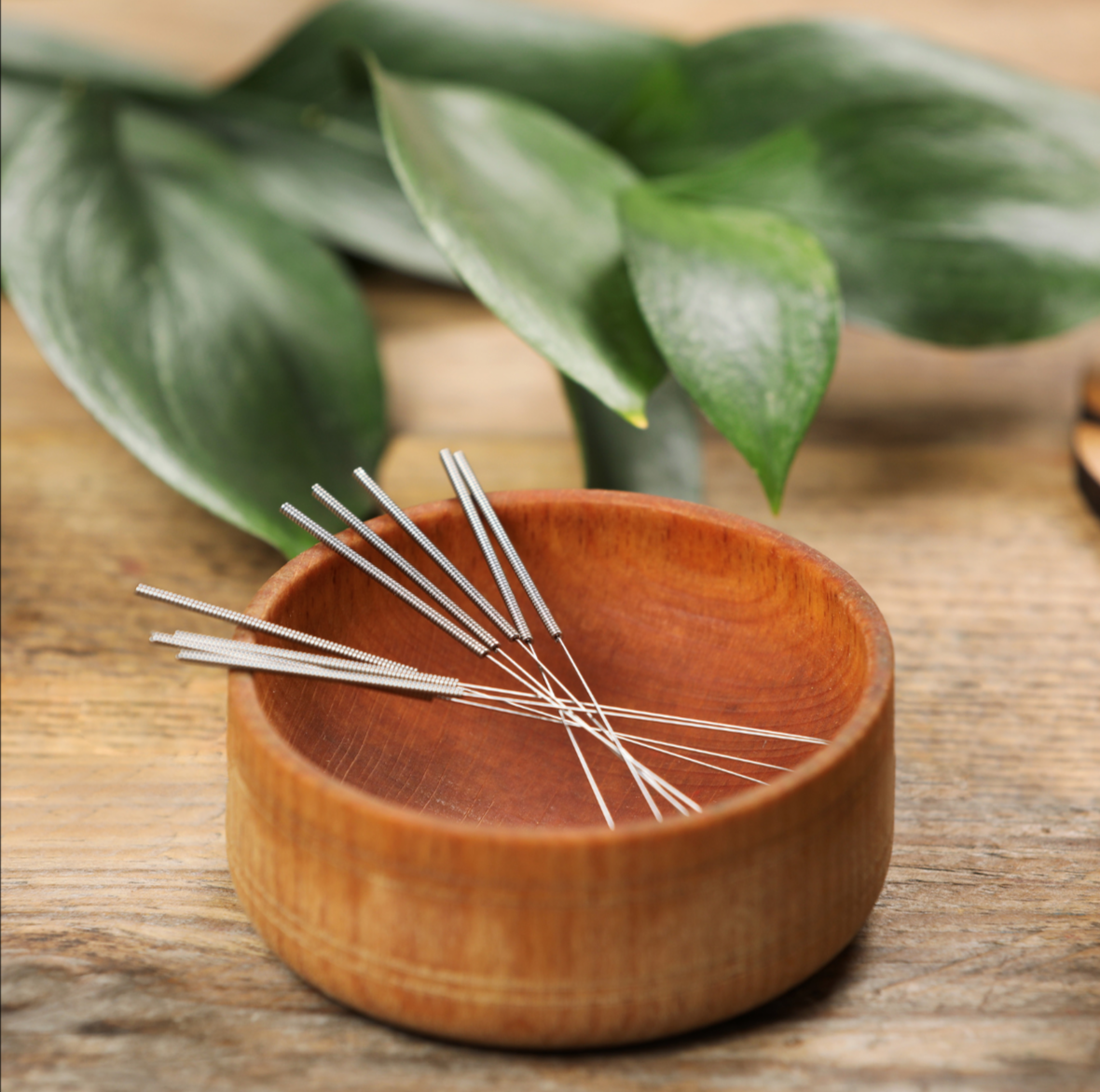
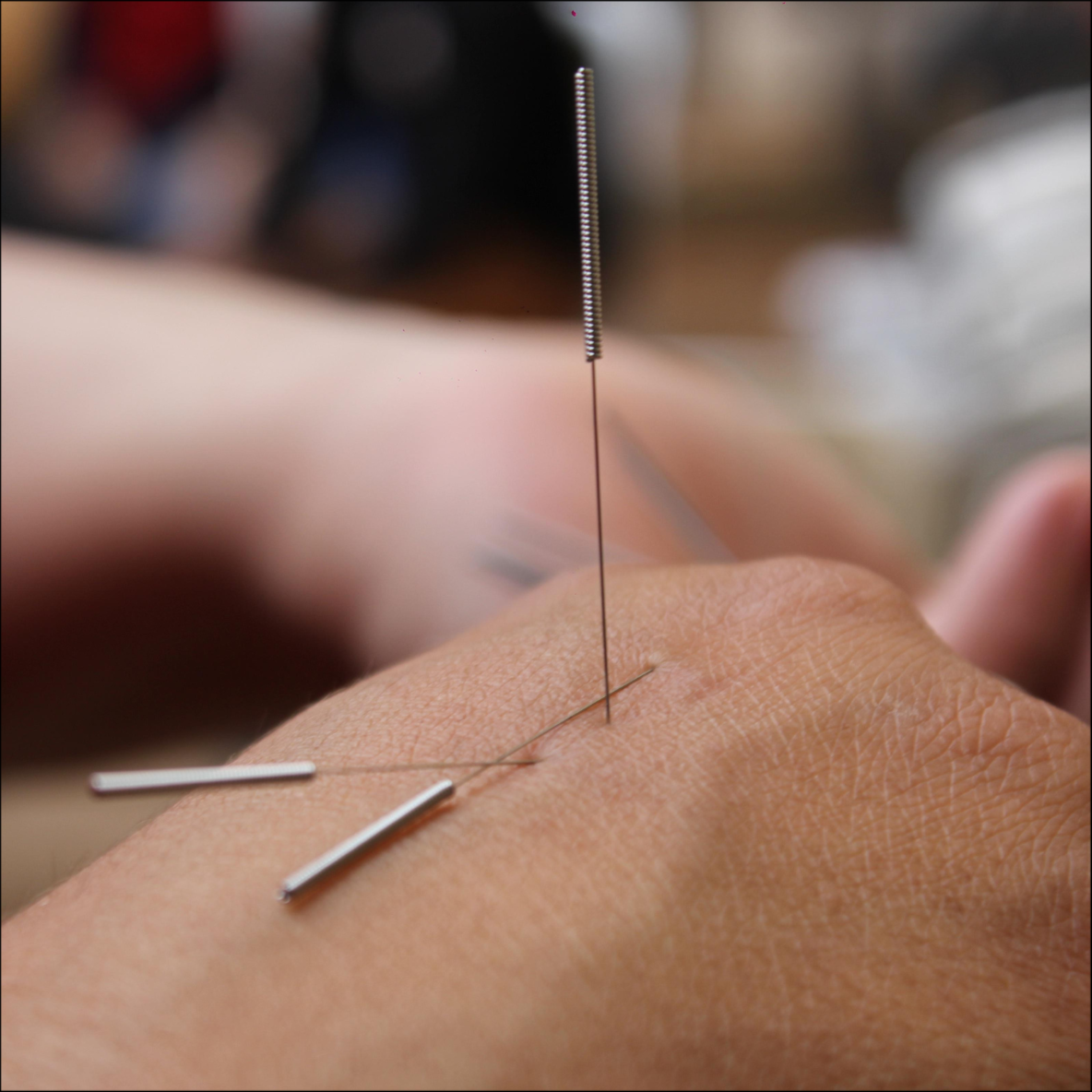
It’s natural to wonder what acupuncture will feel like—especially if it’s your first time. The good news is that acupuncture needles are nothing like the needles used for injections. They are hair-thin, flexible, and so gentle that most people barely feel them being inserted.
Once the needles are in place, you may notice a unique sensation known in Chinese medicine as de qi. Patients often describe this as a mild heaviness, warmth, tingling, or a gentle ache that may spread along the pathway of energy (meridian). Some people even experience a light, electrical-like sensation, though this is less common.
Far from being uncomfortable, most patients find these sensations deeply relaxing and even comforting. Many leave their treatment feeling calm, refreshed, and balanced—both physically and mentally.
What can acupuncture help with?
Acupuncture works by activating the body’s natural healing abilities, making it effective for a wide variety of health concerns. The World Health Organization (WHO) recognizes many conditions that respond well to acupuncture in controlled clinical trials.
Here are some of the most common areas where acupuncture can help:
Pain & Musculoskeletal
Sports injuries & repetitive strain
Back, neck, and shoulder pain
Knee, hip, leg, ankle, and foot pain
Arm, wrist, and hand pain (including carpal tunnel, tennis elbow)
Jaw pain (TMJ) & dental pain
Sciatica, arthritis, tendonitis
Muscle knots, myofascial pain, post-surgical pain
Headaches & migraines
Respiratory & Allergy Relief
Sinusitis & chronic congestion
Seasonal allergies
Digestive Health & Nausea
Heartburn, acid reflux, indigestion
Irritable Bowel Syndrome (IBS)
Constipation or loose stools
Gastritis, peptic ulcers
Nausea, vomiting, and morning sickness
How many treatments will I need?
Acupuncture works cumulatively—the benefits build with each session. While every person and condition is unique, here’s a general guide:
Acute conditions (such as recent injuries or short-term illness): many patients notice relief after just the first few sessions.
Chronic conditions (longstanding or complex health concerns): may require a longer treatment plan, depending on the type, severity, and duration of the condition.
Preventative care & wellness: many people choose regular acupuncture sessions to maintain balance, reduce stress, and support overall well-being.
Together, we’ll create a treatment plan that fits your specific needs and health goals.
Your first visit
Mental & Emotional Wellbeing
Stress & anxiety
Insomnia & sleep disturbances
Depression & low mood
Reproductive Health
Infertility support
Enhancing outcomes of IVF and assisted fertility treatments
Your first acupuncture session is all about getting to know you and your unique health story. When you arrive, you’ll complete a comprehensive intake form that covers your current health, past medical history, and family background. This is important because Chinese medicine takes a holistic approach—sometimes symptoms that seem unrelated are actually connected within the bigger picture of your well-being.
After reviewing your form, we’ll talk through your concerns and goals. I’ll also check your pulse and tongue, two traditional diagnostic methods that provide valuable insight into your body’s balance. Based on this information, I’ll select acupuncture points tailored specifically to you.
A typical treatment uses about 20 very fine, flexible needles. Once the needles are placed, you’ll rest comfortably for 15–20 minutes. Many people find this time deeply relaxing—and it’s quite common to drift off into a peaceful nap.
By the end of your first visit, most patients leave feeling calmer, lighter, and more balanced.